Tools, Machinery and Safety in a Prosthetics and Orthotics Workshop
A prosthetics and orthotics workshop depends on skilled people, but their skill must be supported by safe, reliable equipment. Ovens, vacuum systems, drills, routers, grinders and sanding machines help transform clinical prescriptions into finished devices. When machinery, extraction or consumables are neglected, the effects reach beyond productivity: finish quality, structural accuracy, staff safety and patient delivery can all suffer.
A worn or unsafe tool is not merely an inconvenience. It changes how work is performed and can introduce avoidable risk.
Start with the Right Tool
Each fabrication stage has a suitable tool and method. Cutting thermoplastic, smoothing an AFO edge, drilling a joint bar and finishing a soft insert create different loads, dust and heat. Using an unsuitable machine or improvised attachment may damage the device and expose the operator to unnecessary hazards. Staff should understand machine limits, approved attachments and manufacturer instructions before use.
Sanding Drums and Consumables Matter
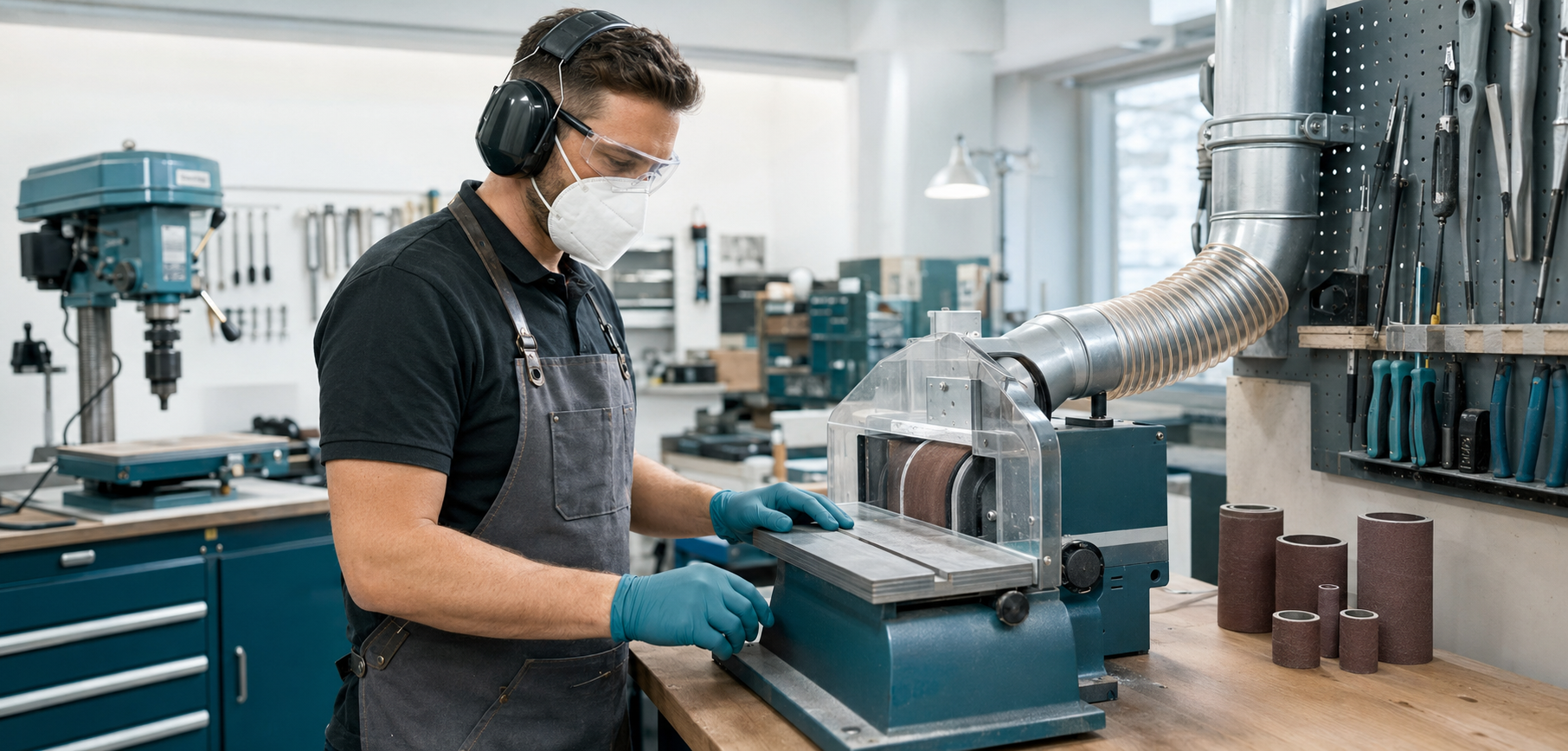
Sanding sleeves, drums, blades, drill bits and polishing materials gradually lose effectiveness. A worn sanding surface may require excessive pressure, generate heat, slow finishing and reduce control. Damaged drums may run unevenly and affect the quality of an edge. Consumables should therefore be treated as planned stock, not as items replaced only after complete failure.
- Inspect surfaces, attachments and guards before starting work.
- Remove damaged, loose, excessively worn or unsuitable items from service.
- Maintain minimum stock according to average workload and supplier lead time.
- Record repeated shortages so procurement reflects actual workshop demand.
- Never compensate for a worn abrasive by forcing the work harder into the machine.
Dust Extraction and Ventilation
Grinding plastics, foams, resins, plaster and composite materials can release airborne particles. Local extraction should capture dust close to its source, while general ventilation supports a cleaner workspace. Filters, hoses and collection units require scheduled inspection because blocked or leaking systems lose performance even when the machine still appears to operate normally.
Personal Protective Equipment
PPE is selected according to the task and does not replace guarding or extraction. Safety glasses or a face shield protect against fragments; suitable respiratory protection helps manage residual airborne exposure; hearing protection may be required around noisy machinery. Closed footwear and fitted workshop clothing reduce additional risks. Gloves require task-specific judgment and should not be worn where rotating equipment could catch them.
Safe Machine Practice
- Receive training and authorization before operating unfamiliar equipment.
- Confirm guards, extraction and emergency controls are functional.
- Secure loose hair, jewellery and clothing.
- Keep hands clear of rotating or cutting components and use appropriate work supports.
- Switch off and isolate equipment before cleaning, adjustment or attachment changes.
- Keep floors, benches and access to emergency equipment clear.
- Report unusual vibration, sound, heat or odour rather than continuing production.
This reflection does not replace workplace risk assessments, equipment manuals, local regulations or formal training. A machine suspected to be unsafe should be removed from use through the organization’s approved procedure.
Maintenance Is Part of Quality Control
Preventive maintenance helps machines remain accurate and predictable. A simple schedule can include cleaning, extraction checks, inspection of electrical cables and guards, lubrication where specified, calibration and servicing by authorized personnel. Maintenance records also help the team identify recurring problems and plan replacement before failure interrupts urgent clinical work.
Shortages Affect Patient Care
When essential tools or consumables are unavailable, a workshop may face delayed devices, rushed finishing or repeated setup changes. Clear stock reporting gives management and procurement time to act. The strongest request explains the clinical and operational effect: which process is at risk, current usable stock, expected consumption, lead time and the date by which supply is needed.
My Workshop Reflection
A professional workshop is visible in its small habits: the pre-use check, the clean extraction hose, the worn drum replaced on time and the confidence to stop an unsafe machine. These habits protect the people doing the work and preserve the quality patients depend on.
This blog shares general professional experience. Always follow manufacturer instructions, workplace procedures, qualified supervision and applicable health-and-safety requirements.